
Dear Jeeves Clients,
Happy July! It’s wet and humid here in Hong Kong, I hope you’re staying dry and comfortable.
Thank you, as always, for trusting Jeeves with your treasured garments.
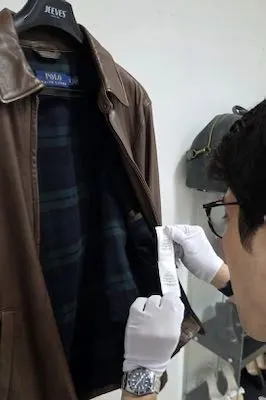
This month I wanted to talk about care labels. I’ve made a short video to help you decode them easily for any washing you do at home or when you send garments to us for professional cleaning.
Are care labels always accurate?
From experience, they’re about 80–90% correct. A small percentage of designers don’t do proper testing or don’t prioritise maintenance, cleanability, or the longevity of their high-end pieces.
This is especially true for garments with mixed materials, such as leather patches. Some care labels instruct that the item can be professionally wet cleaned or dry cleaned, but in reality these can have bleeding issues. In many cases the whole garment needs to be cleaned by hand (not immersed in a machine), or the patch must be removed, the garment cleaned, and then the patch reapplied. This makes cleaning more challenging and often requires extra time and care to avoid damage.
Here’s the video I made on decoding care labels: Watch the video on Instagram
What if a care label says “Do Not Clean”?
This usually means the item needs careful hand-spotting using professional equipment to avoid shrinkage, colour bleeding, or other damage. Designers and manufacturers sometimes use this wording to limit liability, or they recommend dry cleaning for delicate items without full testing.
I’ve seen items with glues and adhesives (for example on down jackets) that carry this label. The dry-cleaning solvent can break down the glue and damage the garment. Without experience and an understanding of fabric chemistry and construction, you can’t always fully rely on the care label.
Why do manufacturers label this way?
It’s often because they haven’t done full testing, combined with the knowledge that professional dry cleaning is generally the gentlest method for most fabrics. Laundry tends to shrink, fade, cause colour loss, and wear fabrics out faster than dry cleaning. So they default to “dry clean only” or “do not clean”, assuming it’s the safer option.
Key takeaway
Care labels are a helpful reference point, but not always 100% accurate, especially on complex or high-end pieces. When cleaning at home, always check the label and clean accordingly (hand wash, cold cycle, etc.). For anything valuable or uncertain, bring it to us so our experienced team can assess it properly.
If you have any questions, please feel free to reach out, I’d love to chat. You can email us at jeeves@jeeves.com.hk
Warm regards,
Ryan Merszei
Owner and Director
Jeeves of Belgravia Hong Kong